

PROTECTING YOURSELF FROM FRAUD:
A Message From
Your Community Police Officer
Cst. Dell, PEI RCMP
As your RCMP Community Police Officer serving Malpeque and the surrounding area, one of my priorities is helping residents stay informed and protected from frauds and scams. While PEI remains one of the safest places to live, online and telephone scams continue to affect people across the province—including right here in our community. Awareness is one of the best tools we have, and every resident, young and old, can play a part in preventing fraud.
If You Suspect a Scam
You’re not alone. Contact the RCMP or the Canadian Anti‑Fraud Centre (Canadian Anti-Fraud Centre) to report suspicious activity. Even if you didn’t lose money, your information helps protect others.
With awareness, communication, and community support, we can all work together to keep Malpeque safe from fraud.
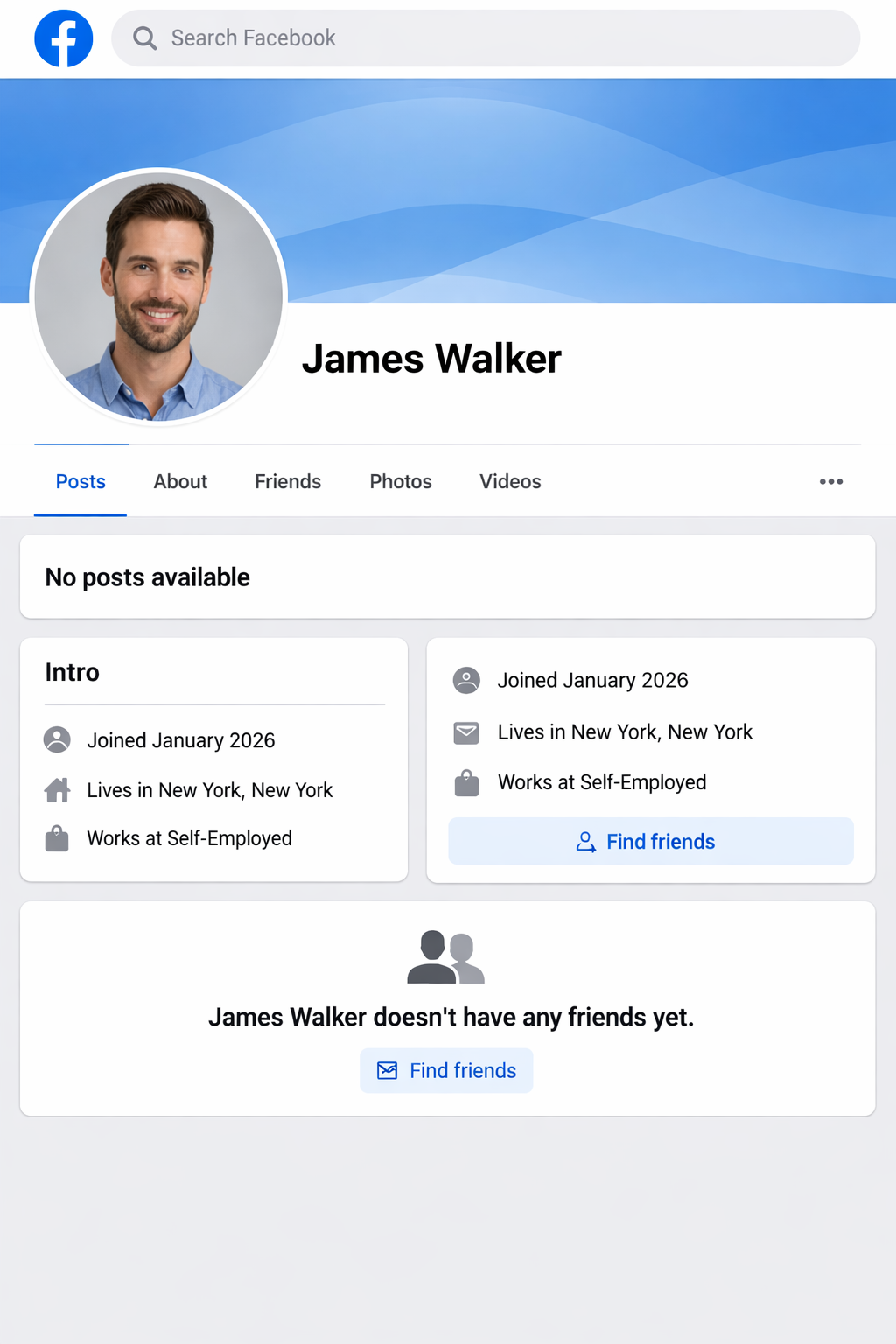
Visit this Facebook link for information about a recent possible scam on PEI. More scams are described below.


ONLINE SHOPPING SCAMS
One frequent scam affecting Islanders are online shopping scams. Scammers create fake online classified ads, counterfeit websites, or pressure-based selling tactics. Scammers advertise items for sale online and request payment before the item is delivered.
Protection tips:
Check the seller’s profile. They will often have newer profiles with little activity. Look for posts and mutual friends that indicate if the seller actually resides in PEI.
Be cautious of extremely low prices or requests for quick payment.
Be cautious of sellers requesting payment by e-transfer prior to meeting in person.
Use trusted websites and verified sellers.
Search the photo of the item for sale on Google Image Search. If the same photo is found in various regions, the post is likely a scam.
Double-check website addresses and look for misspellings or unusual URLs.
FRAUDS TARGETING ADULTS AND SENIORS
Adults—especially older adults—are often targeted through:
Phishing texts/emails are designed to look like they come from banks, government agencies, and delivery services. These messages contain links designed to trick people into entering their login information, banking information, or personal information.
Tech support scams involve scammers calling or messaging saying your device is infected. The scammer will provide instructions which allow them to remotely access the device. From there, they can access your bank accounts, credit cards, and personal information. They might also use the information to pose as you while targeting people in your contacts. Legitimate tech companies do not call people about computer problems.
Protection tips:
Check the URL and email address. (see the attached photo – banks and government agencies don’t use Gmail addresses)
Don’t click unexpected links.
Never provide personal or financial information through unsolicited text messages or emails.
Never allow remote access to your computer unless you contacted a trusted company.
Know that legitimate agencies never threaten or pressure you to provide information or payments quickly.
When in doubt, contact the organization directly using a verified phone number to confirm whether or not they sent the email or message. Do not call any phone numbers listed in the message.
THE GRANDPARENT SCAM
This scam continues to impact seniors across Canada. A caller pretends to be a grandchild or relative—or sometimes a police officer—claiming the loved one is in trouble and needs money urgently.
Islanders have received calls from these scammers claiming their loved one was in a motor vehicle collision, found with drugs, or arrested. Sometimes a second scammer will call pretending to be a lawyer acting on behalf of the loved one. They will try to create a sense of urgency to either send bail money, or have it ready for someone posing as a ‘bail officer’ to pick up in person.
How to respond:
Hang up and call the family member directly.
Speak with relatives before sending money.
If you are still unsure, call your local police to ask if it is a scam.
Remember: police will never ask for money to avoid legal trouble.